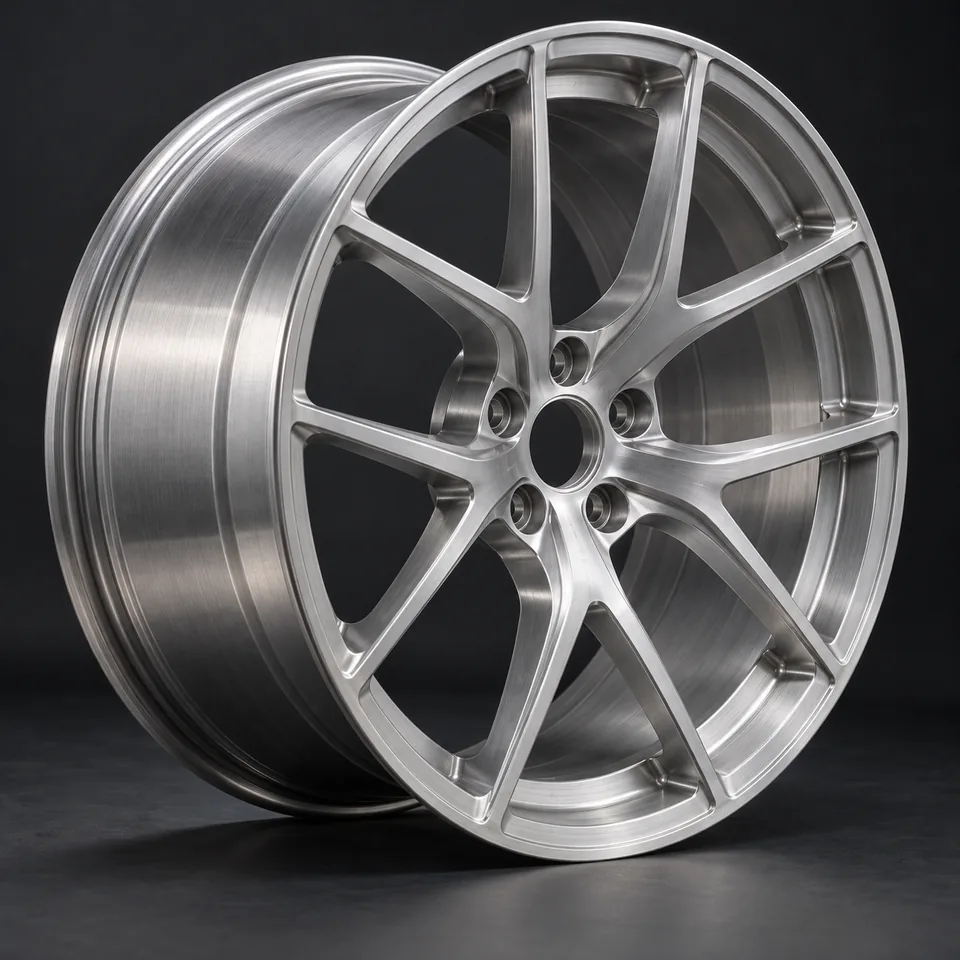
Spoke geometry
Choose the visual language: open, sculpted or layered. Feasibility and approved geometry are resolved separately from the inspiration image.
Material / Forged aluminum
For individual commissions and specialist automotive projects. Shape the design direction around a complete specification: construction, dimensions, vehicle requirements and finish.
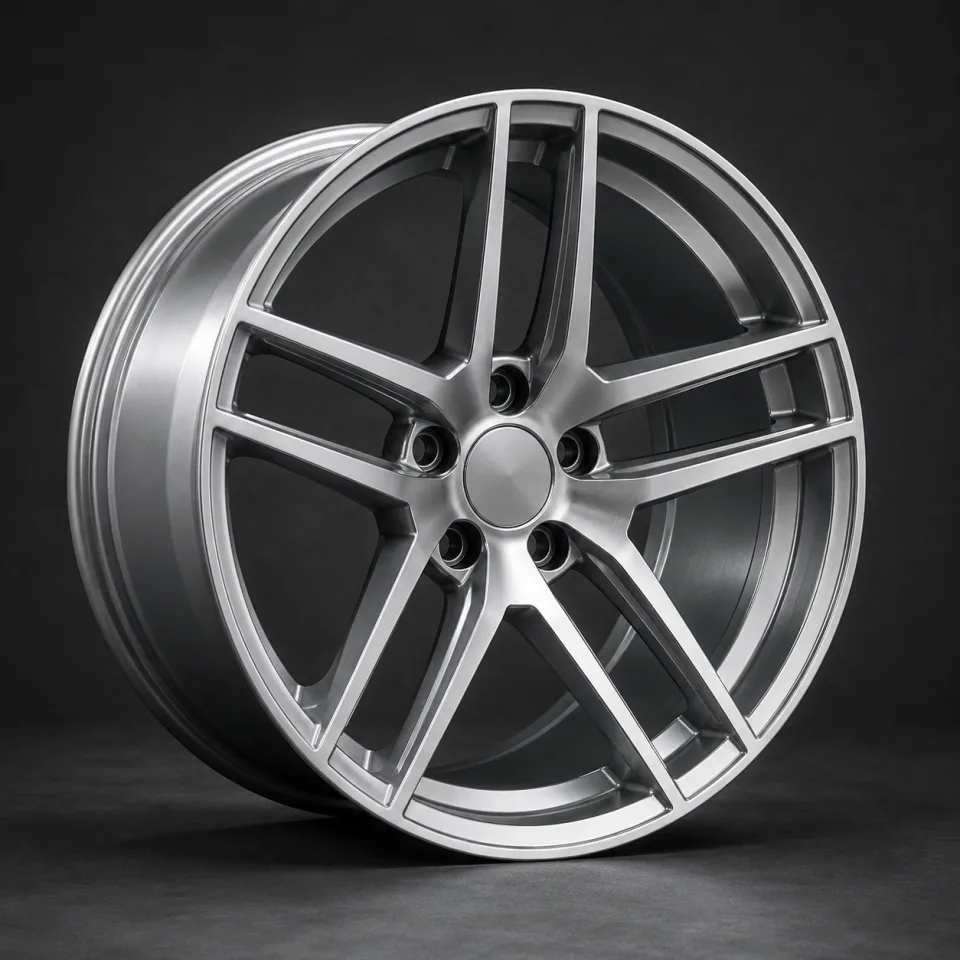
The project specification
Forging is a manufacturing route, not a complete product specification. The exact alloy, heat treatment, design, machining and validation determine how the proposed wheel meets its requirements.
Start with the vehicle and application. A visual preference for a deep profile or a particular spoke pattern needs to be reconciled with brake clearance, mounting requirements and the complete wheel-and-tire setup.
| Area | Define before the final quotation |
|---|---|
| Construction & alloy | Requested monoblock or multi-piece route, the exact alloy and what is actually available for the proposed design. |
| Front & rear dimensions | Diameter, width, offset, bolt pattern, center bore and any front/rear differences. |
| Load & intended use | Vehicle/application requirements, road or track use and applicable destination-market rules. |
| Fitment & installation | Brake envelope, hardware and seat type, tire compatibility, suspension and body clearance. |
| Finish & protection | Appearance reference, preparation, color, gloss, coverage boundaries and protective coating. |
| Evidence & order scope | Specification-specific documents, price basis, quantity, shipping scope, timing and warranty terms. |
Appearance / choose your direction
Choose the visual language: open, sculpted or layered. Feasibility and approved geometry are resolved separately from the inspiration image.
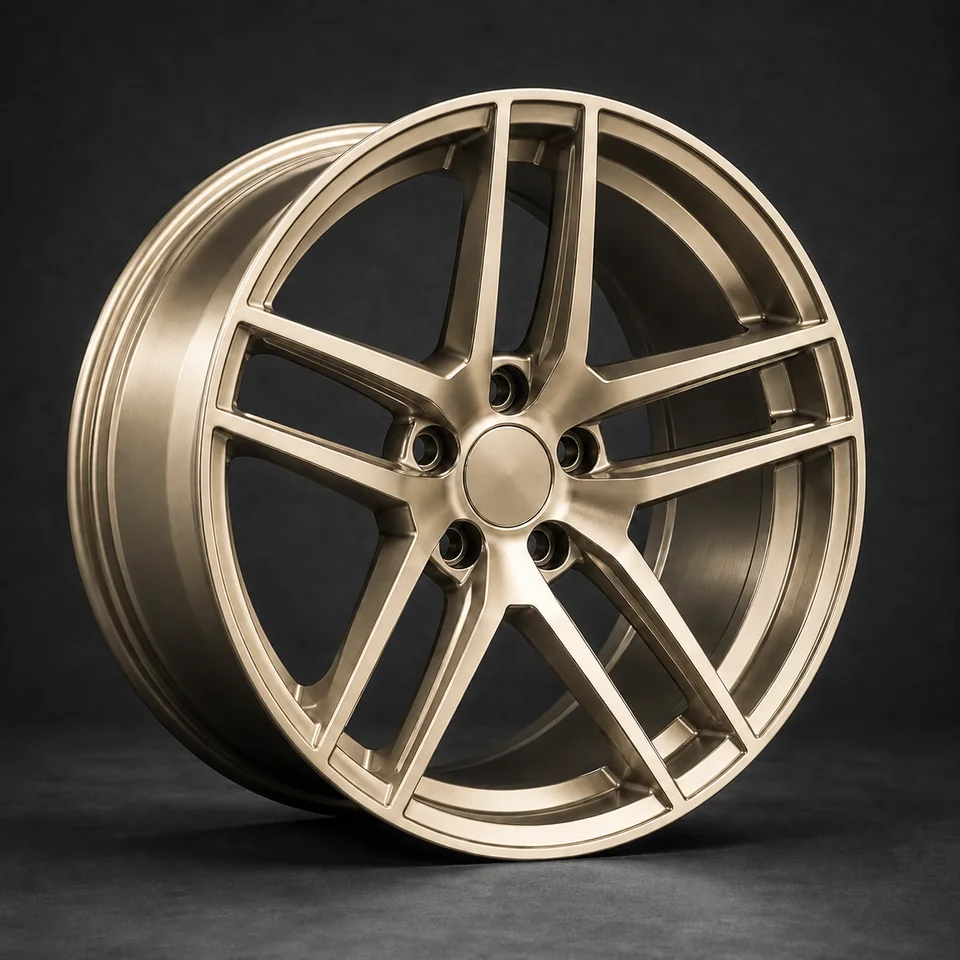
Define grain, gloss and coverage. The same screen color does not guarantee the same treatment or protection on different alloys.
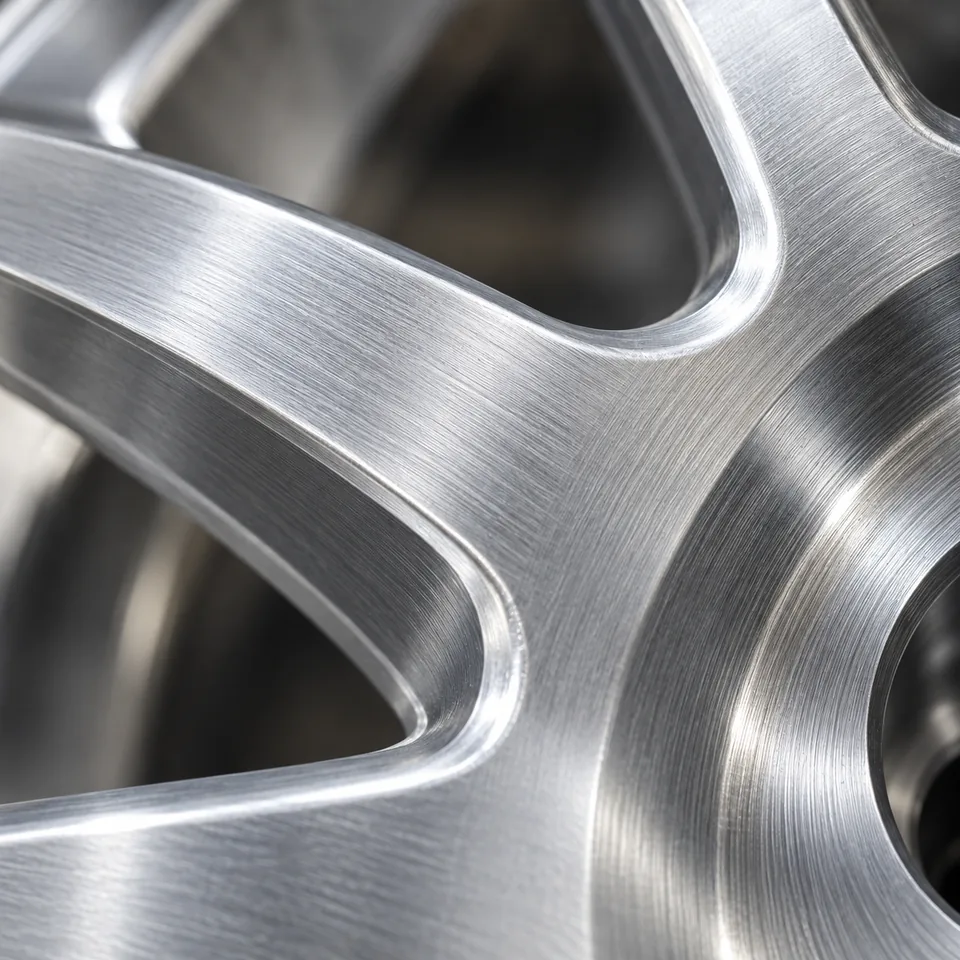
Faces, pockets, lip and barrel can have different requirements. Approve the final reference and written finish description together.
Two ways to begin
Share your exact vehicle, changes to brakes or suspension, design direction and delivery country. Unknown measurements can stay open for review.
Prepare a personal briefInclude business type, target application, current quantity and any technical documents your project requires. MOQ, sample terms and timing are confirmed per quotation.
Prepare a trade inquiryBefore the next step
Yes, as a requirement to review. State the requested construction and front/rear dimensions in the brief. The website does not imply that every size, structure or design combination is available.
No. Compare the complete design, alloy, load requirement and documented wheel mass. The manufacturing label by itself is not a strength rating, weight guarantee or fitment approval.
Material, construction, dimensions, geometry, finish, quantity and any development work. Agree the shipping scope, applicable taxes and after-sales terms as part of the full quotation.
If mass is a particular project priority, compare the actual magnesium proposal against aluminum, including protective finish, maintenance, documentation and cost. Neither material is automatically the better choice for every project.
Your next step
A clear project brief comes before a final specification or order.
When you brief sizes and finish, also align capacity with forged wheel load rating guidance for your vehicle corner weights.
For alloy-class context on forged aluminum blanks, see 6061-T6 forged wheels. For face packaging and dish, see forged concave wheels.
Vehicle landings: Mustang · BMW · Porsche 911 · Corvette. Hub: builds · projects.
Popular briefs we see: deep dish wheels, center lock wheels and Mercedes monoblock wheels.
EV owners: see custom forged wheels for Tesla Model Y. Weighing materials? Read carbon fiber vs forged wheels.