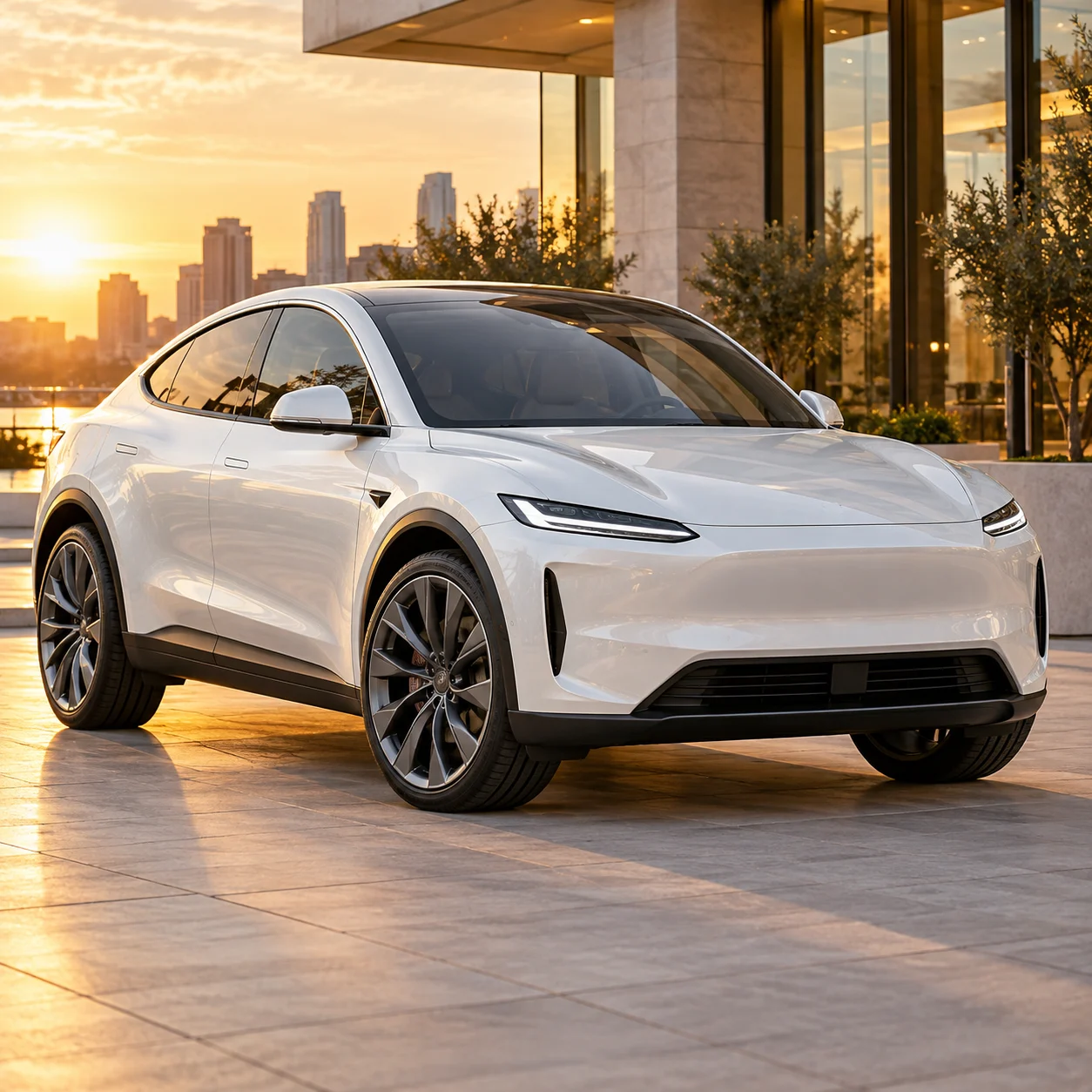
Choose custom forged wheels for Tesla Model Y around your vehicle, tires, and daily driving—not just a face design. VEXORA makes every set to order in forged aluminum or forged magnesium, with fitment and finish defined for your build. Whether you want a restrained aero look or more visible brakes, start with the vehicle details and work outward. Send your Model Y brief to begin a quote.
The minimum order is one pair of two wheels. Production typically takes about 20 days after specifications, drawings, and finish are approved; you approve the drawings before forging. Shipping time varies by country. DDP delivery, with duties and taxes handled and delivery to your door, is available where supported for your country.
Key takeaways
- Specify wheel load capacity against documented vehicle axle loads, not appearance alone.
- Confirm hub fit, lug nut seat type, TPMS compatibility, and brake clearance.
- Choose face openness alongside tire priorities for efficiency and road noise.
- Measure the actual vehicle, especially with Performance brakes or suspension changes.
- Every VEXORA set is custom and made to order; there is no ready-to-ship inventory.
Why choose custom forged wheels for Tesla Model Y?
Going custom lets you coordinate the face, fitment, tire package, and finish instead of accepting a fixed combination. A clean daily driver may call for restrained spoke depth and easy cleaning. A more expressive build may prioritize directional detailing or a concave profile, subject to brake and mounting clearance.
Explore custom forged wheel options, then use the monoblock guide and concave wheel guide to refine the brief. Browse build references for visual direction, not as proof that another vehicle’s fitment transfers to yours.

How should an EV crossover change the wheel brief?
The Model Y is a heavy vehicle, so load capacity belongs at the start of the specification. Confirm axle loads from the door-jamb placard or owner documentation, and specify an appropriate wheel load rating for the vehicle. Do not substitute a generic passenger-car assumption. The wheel load rating guide explains what to check.
Plan a hub-centric fit using verified hub dimensions. Confirm the lug nut seat type matches the wheel and that the mounting hardware is appropriate; matching the bolt pattern alone is not enough. Review hub-centric versus lug-centric fitment before approving mounting details.
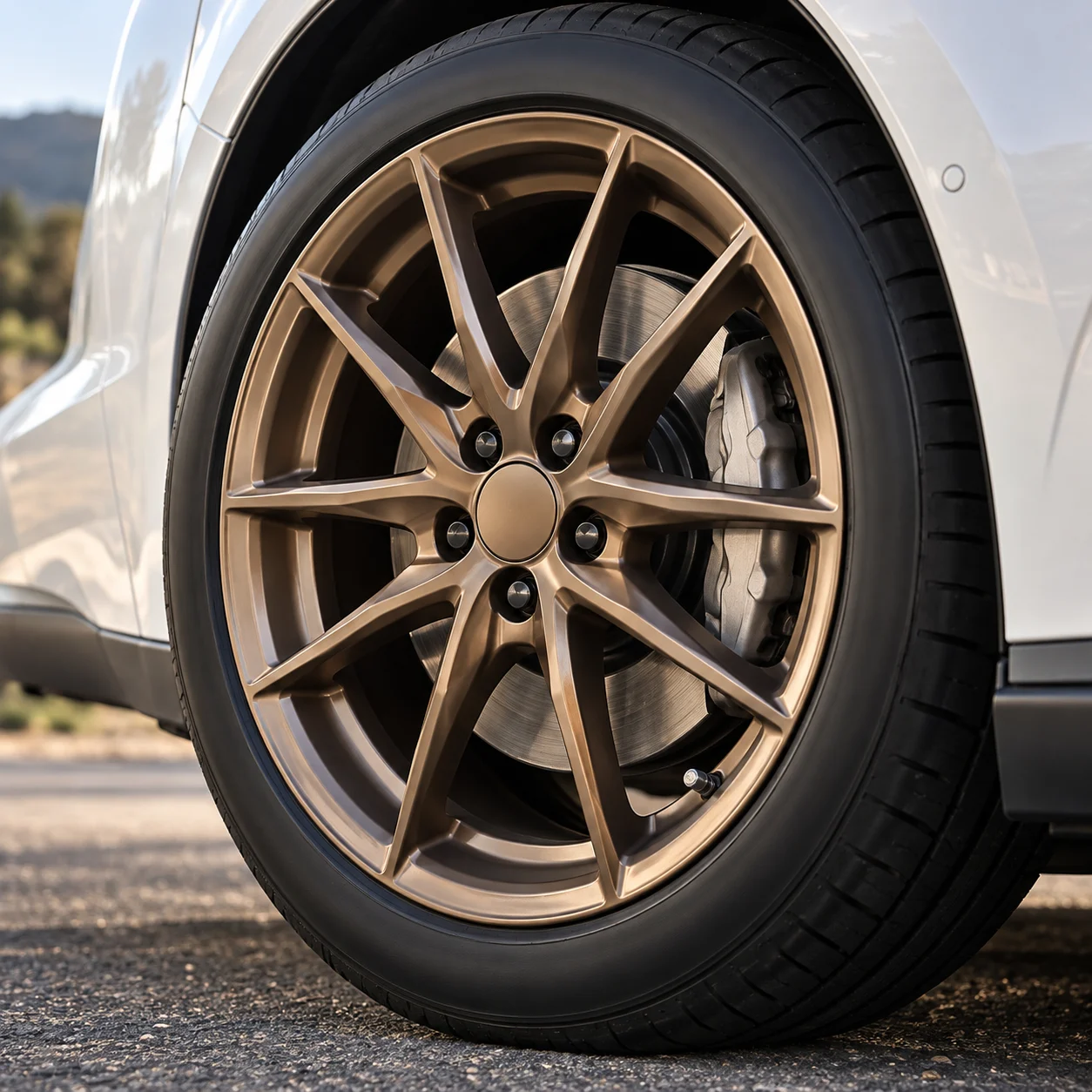
Existing TPMS sensors may be reusable, but verify sensor condition, vehicle compatibility, valve fit, and any relearn requirements with your installer. Check brake caliper clearance carefully, especially on Performance trims or vehicles with changed brakes. Both spoke-to-caliper and barrel clearance matter; use the brake clearance guide to prepare the information.
Closed or aero-oriented faces can favor smoother airflow, while open spokes expose more of the brakes. Neither appearance alone guarantees better efficiency or quieter driving. Tire construction, tread, pressure, and road surface also influence range and road noise, so choose the tire package alongside the wheel.
Which forged face styles suit the Model Y?
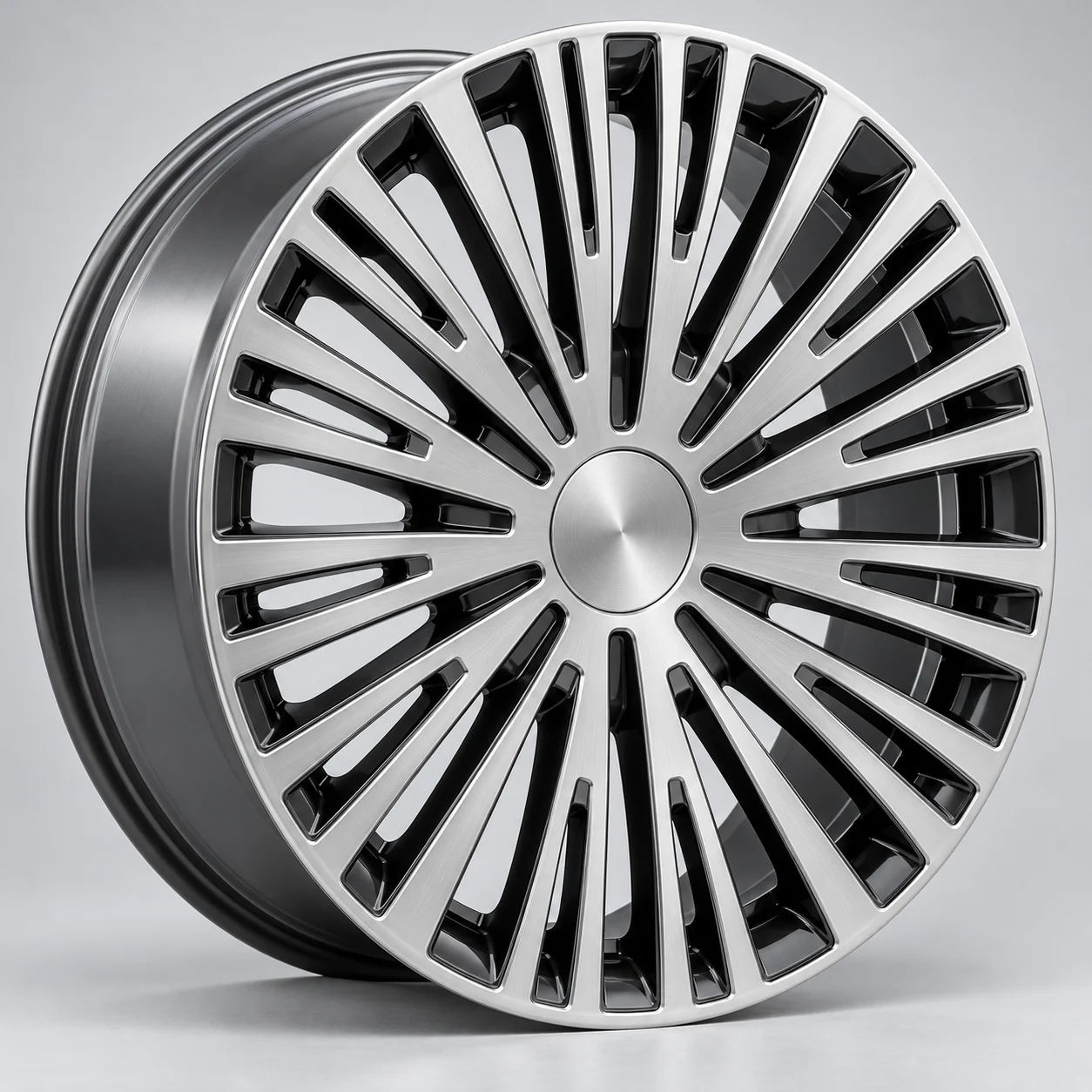
Pick a visual direction first, then test it against the mounting and brake envelope. Treat these styles as design briefs, not stocked products or promised efficiency results.
| Style | Look | Aero/efficiency leaning | Brake visibility | Cleaning |
|---|---|---|---|---|
| Flat aero multi-spoke | Clean, restrained face | More closed surfaces can favor airflow | Reduced | Broad faces are accessible; slots need attention |
| Turbine/directional | Movement-focused detailing | Depends on blade shape and openness | Moderate | Angled pockets take care |
| Split 5-spoke | Open, athletic layout | Prioritizes openness over coverage | High | Generally accessible between spokes |
| Mesh | Layered, detailed pattern | Depends on face density | Partial, through smaller openings | More intersections to clean |
How do you measure your Model Y before ordering?
1. Read the vehicle information and wheel markings. Record the model year, trim, documented axle loads, and placard tire information. Read existing wheel markings for diameter, width, and offset. Have an installer access hidden markings safely.
2. Verify the bolt pattern. Confirm it through vehicle documentation and measurement using the bolt pattern measurement guide. Do not estimate from a photo or another Model Y build.
3. Record offset and backspacing. Follow the offset measurement guide. Use the wheel offset calculator to compare positioning, then physically verify suspension and fender clearance.
4. Photograph the brakes. Capture the caliper, barrel area, and spoke clearance with useful reference measurements. Photos support review but do not replace dimensional checks or a brake template when needed.
5. Note the tires. Record front and rear tire sizes, tire model, and whether you plan to reuse them. Confirm tire-to-wheel compatibility and the vehicle’s load requirements.
6. Document suspension changes. List lowering hardware, alignment changes, spacers, or brake upgrades. Check clearance through steering and suspension travel, not only while parked.
Aluminum or magnesium for an EV?
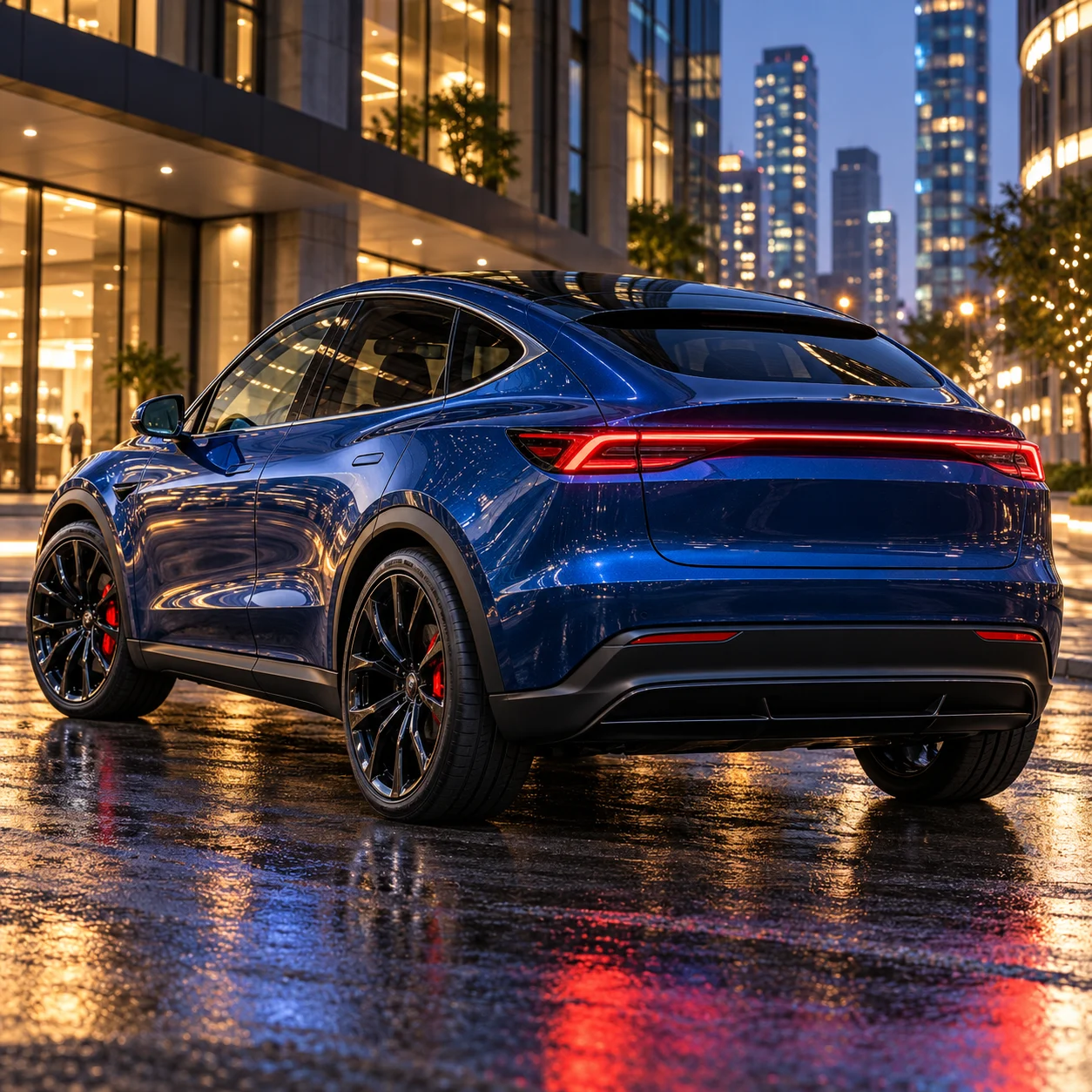
VEXORA offers forged aluminum and forged magnesium wheels. Aluminum is a practical starting point for a road-focused brief. Magnesium is worth discussing when reducing wheel mass is a priority, but material alone does not establish the finished wheel’s weight or suitability.
Compare the proposed design, required load capacity, finish, care needs, and budget before choosing. The magnesium versus aluminum guide can help frame that decision. Neither material should be treated as a guaranteed range improvement.
How does the order work?
Start with your vehicle information, measurements, tire plan, and preferred face style. For custom forged wheels for Tesla Model Y, the fitment review should resolve mounting details, load requirements, and brake clearance before drawing approval. Select your treatment through finish options and confirm the complete specification.
You approve the drawings before forging. Once specifications, drawings, and finish are approved, production typically takes about 20 days. Delivery timing depends on the destination; confirm DDP availability for your country during the quote process.
| Item | Why it matters |
|---|---|
| Year, trim, axle loads | Establishes the vehicle and load requirements. |
| Wheel markings and measurements | Defines the current mounting baseline. |
| Brake photos and modifications | Flags clearance issues before drawing approval. |
| Tires, face, finish, destination | Completes the design and delivery brief. |
What should owners, shops and trade buyers send?
Owners can send vehicle details and photos; shops should add measured fitment and installation requirements. For business inquiries, visit trade. Buyers developing a branded wheel brief can review the private-label forged wheel guide before requesting a quote.
Request a Model Y quote · WhatsApp · sales@vexoraforged.com
Custom forged wheels for Tesla Model Y — FAQ
Can I reuse my original TPMS sensors?
Potentially. Ask your installer to verify sensor condition, compatibility, valve fit, and relearn requirements before transferring them.
Will the wheels clear Model Y Performance brakes?
Clearance must be verified for your actual brake package. Provide trim details, brake photos, and dimensions before approving the drawings.
Will an aero face improve range?
Aero-oriented faces can influence airflow, but range depends on the complete wheel-and-tire package and driving conditions. Appearance alone cannot establish an improvement.
Can I order only a pair?
Yes. The minimum order is one pair of two wheels. Confirm how the pair will work with the remaining wheels and tires.
Are any Model Y wheels ready to ship?
No. Every set is made to order. Production typically takes about 20 days after specifications, drawings, and finish approval, with shipping time added according to destination.
Looking at the sedan instead of the crossover? See custom forged wheels for Tesla Model 3 - aero-cleaner faces and a lower daily-EV stance.