18 inch vs 20 inch forged wheels is usually a use-case decision, not a fashion contest. Diameter changes tire sidewall height for a given overall diameter target, how the wheel fills the arch, how much room you have for brakes, and how the car rides on imperfect roads. This hub compares the trade-offs in plain language - without inventing PCD, offset, load or year-fit charts - then points you to vehicle builds and fitment guides so the brief stays measurable.
Every VEXORA set is 100% custom and made to order, with a minimum order of one pair (2 wheels). Production typically takes about 20 days after specifications, drawings and finish are approved. Shipping time varies by country, with DDP delivery available where supported. There is no stock catalog of ready-to-ship diameters.

Key takeaways
- Pick diameter for the job: Daily comfort and tire choice often favor 18-inch class packages; stance, big-brake packaging and certain sports looks often push toward 20-inch class packages.
- Diameter is not offset: How far the wheel sits in or out of the arch is mostly width and offset - see the wheel offset guide.
- Brake room is verified, not assumed: Larger diameters can ease caliper packaging, but spoke layout and barrel shape still need a clearance check.
- Tire options matter as much as the rim: Available compounds, load ratings and sidewall heights change with diameter class - plan the tire with the wheel.
- Custom forging keeps both diameters on the table: Monoblock, 2-piece and 3-piece faces can be drawn for either size class once the vehicle brief is clear.
What does wheel diameter change on a forged set?
Wheel diameter is the nominal rim size the tire bead seats on. Moving from an 18-inch class wheel to a 20-inch class wheel (or the reverse) changes how much sidewall you can run at a similar overall tire diameter, how visually filled the fender looks, and how packaging works around brakes and suspension.
Forging does not lock you into one diameter. A custom forged blank can be machined for the diameter class you approve in the drawings. What forging does change is material efficiency and how cleanly you can shape spoke depth, barrel profile and lip treatment for that diameter - whether you want a tidy daily aero face or a deeper concave sports look. For construction basics, see what forged wheels are and how forged wheels are made.
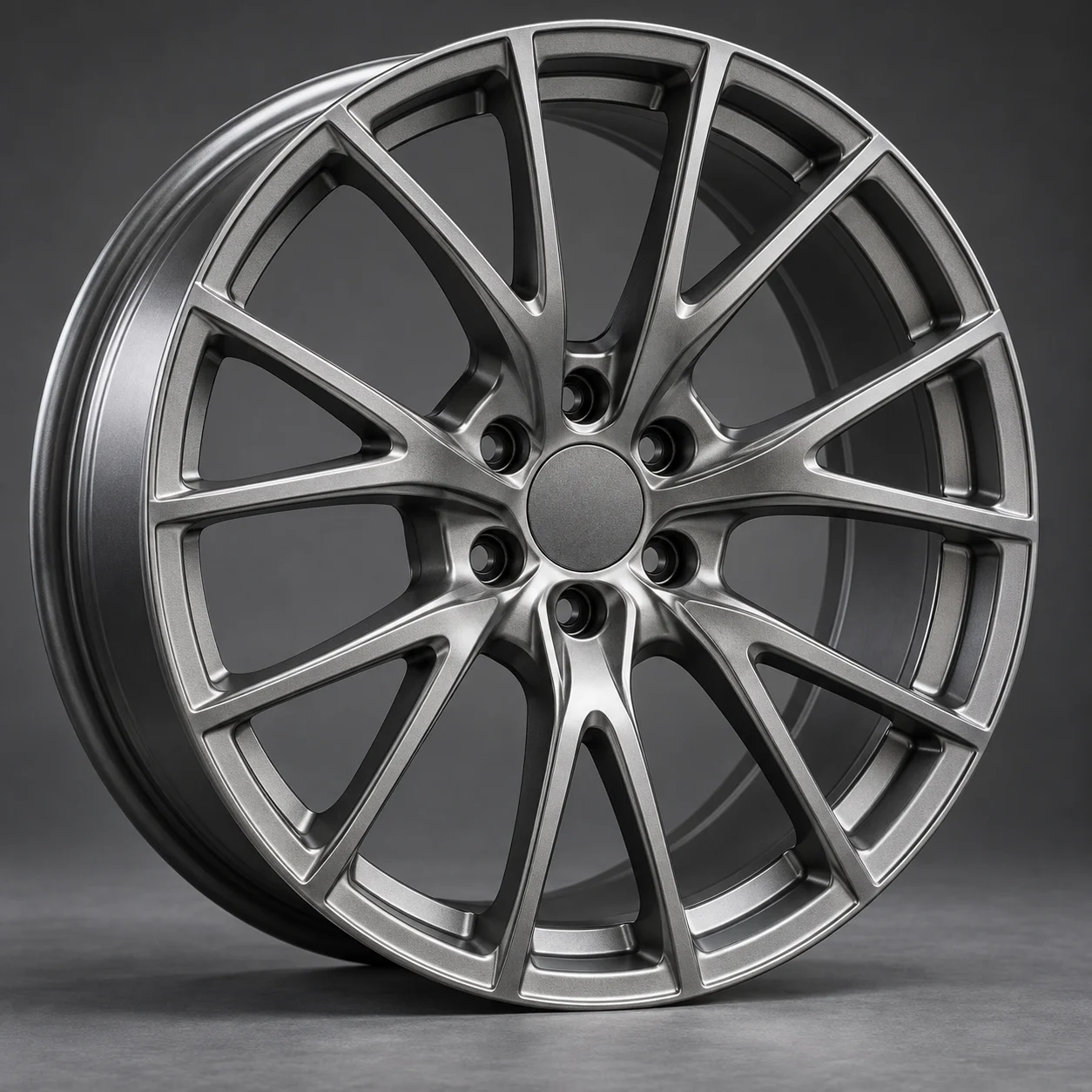
18 inch vs 20 inch forged wheels: where do the trade-offs land?
Use the table as a decision frame, not a fitment chart. Exact clearance always comes from your vehicle, brakes, tires and suspension - never from a generic millimeter list.
| Factor | 18-inch class | 20-inch class |
|---|---|---|
| Ride feel (qualitative) | More sidewall room at a similar overall diameter can soften sharp impacts | Shorter sidewalls at a similar overall diameter can feel firmer over broken pavement |
| Brake packaging | Often enough for many street kits; tight BBK packages need careful spoke and barrel review | Often more room to package large calipers, still subject to spoke and barrel checks |
| Tire options | Broad street and performance tire availability in many markets | Strong sports and staggered options; some sizes are pricier or harder to source |
| Daily vs stance | Natural fit for daily, winter, and aero-clean EV looks | Natural fit for filled arches, show stance and many GT / muscle directions |
| Visual mass in the arch | Cleaner, lighter visual weight when you want restraint | Fills the opening more; pairs well with concave and lip-led faces |
| Custom forged route | Monoblock multi-spoke and mild concave faces are common | Deep concave, mesh and wide-lip 2/3-piece faces are common |
Face depth language (concave vs deep dish) is separate from diameter. A 20-inch wheel can stay mild; an 18-inch wheel can still carry a stepped lip if the geometry allows. Read forged concave wheels, deep dish wheels and 3-piece wheels before locking the look.
When do 18-inch forged wheels make more sense?
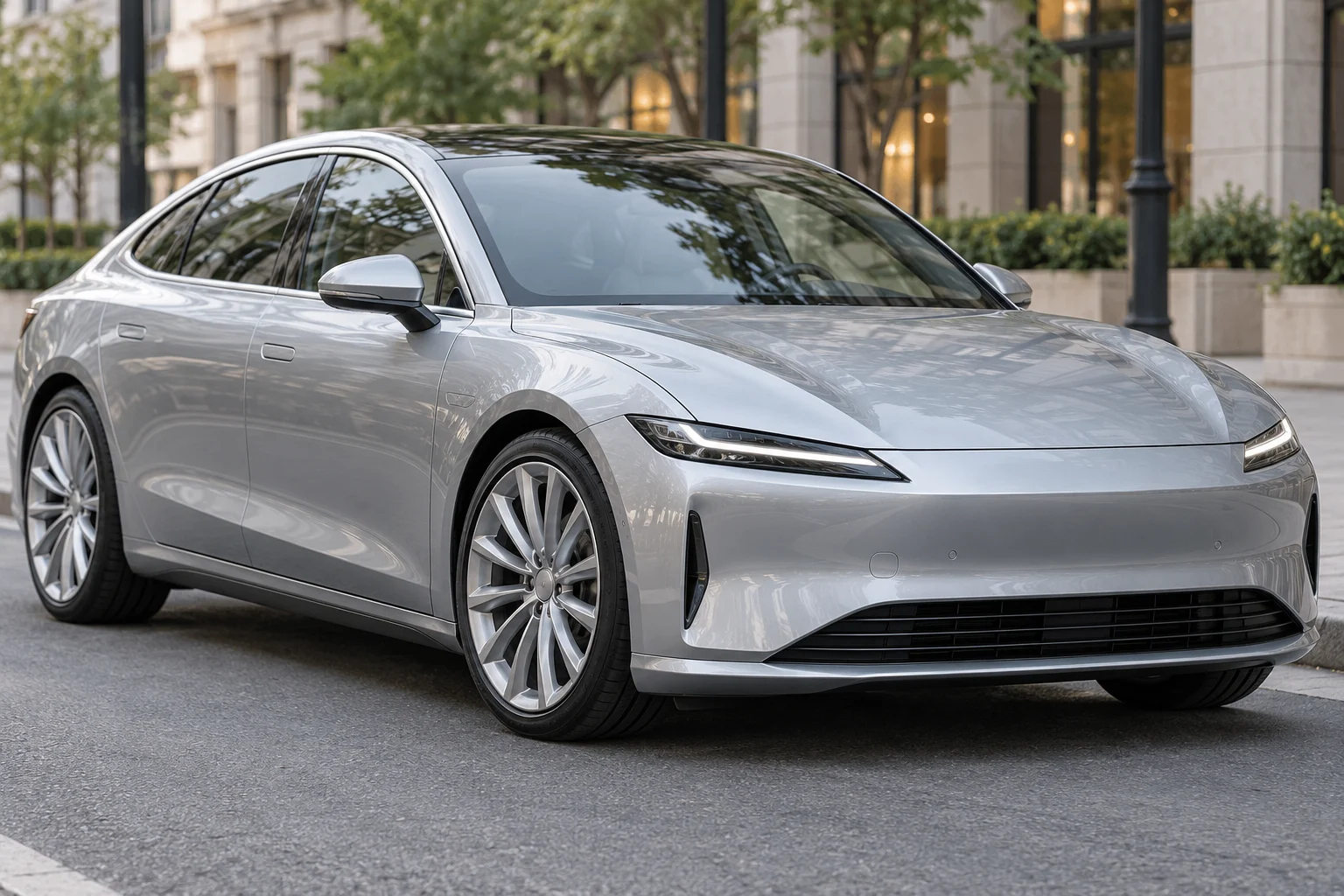
18 inch forged wheels often win when the car is a daily driver, when you want more tire sidewall for broken roads, or when you prefer an aero-adjacent, low-drama face. Many EV sedan and crossover briefs start here because efficiency covers and multi-spoke monoblocks read cleaner at this diameter class.
Winter or mixed-season drivers also tend to keep more sidewall in play. If you rotate seasonal tire packages, an 18-inch class set can make tire choice and ride consistency easier than chasing the largest diameter that will physically bolt on.
Vehicle examples that often discuss restraint and packaging together: Tesla Model 3, Tesla Model Y and many street-focused BMW briefs. Diameter still has to clear your brakes and match your tire plan - those pages explain the briefing inputs without publishing invented year-fit numbers.
When do 20-inch forged wheels make more sense?
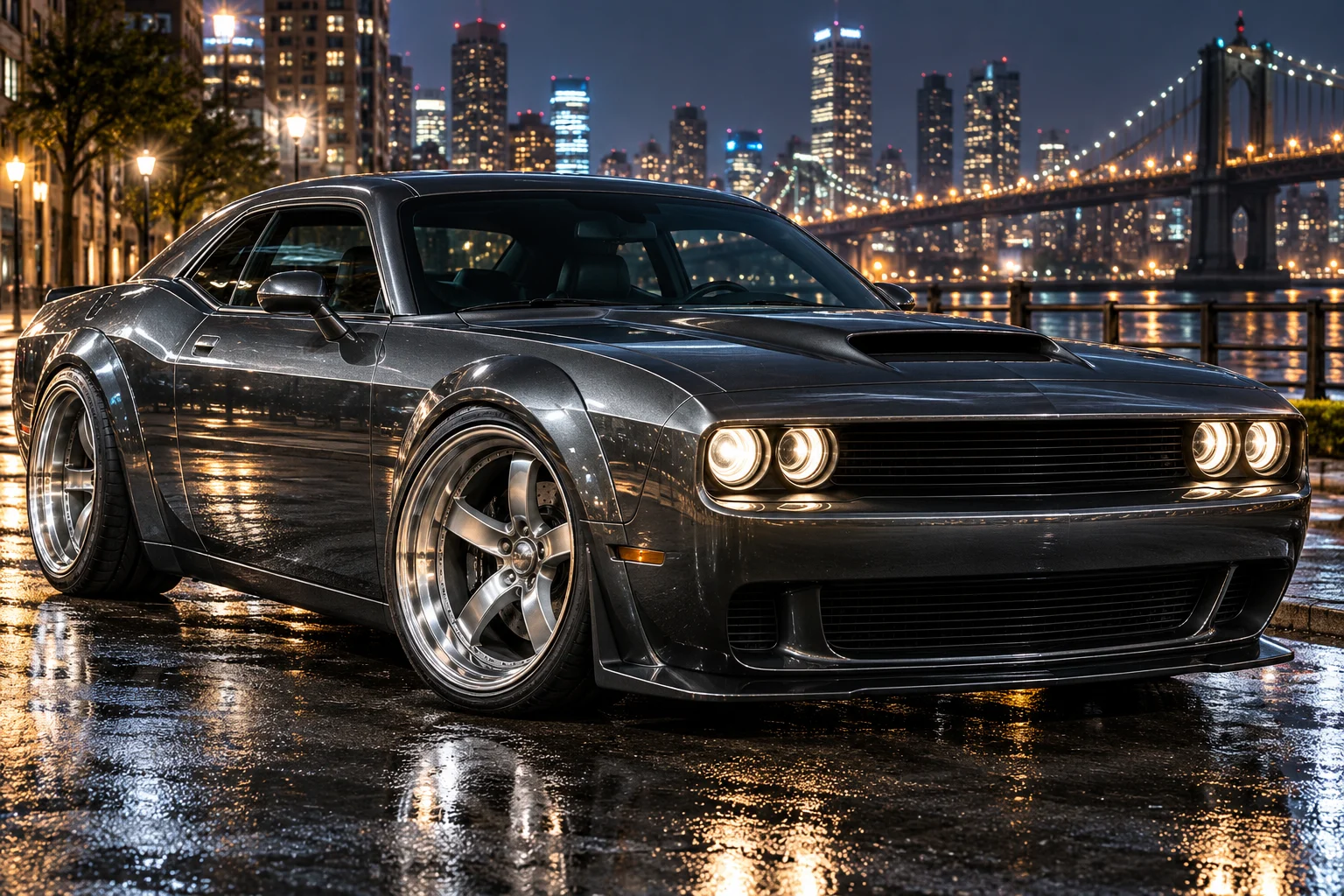
20 inch forged wheels (and neighboring large-diameter classes) often win when you want the arch visually filled, when a big-brake kit needs more radial room, or when the design brief calls for deep concave, mesh or wide-lip presence.
Muscle and GT builds frequently land here because the proportions reward a larger face and a shorter sidewall at a similar overall diameter. That look is a choice: firmer ride on poor roads is a common trade-off, and tire cost or availability can be higher depending on width and load needs.
See how diameter and face depth show up on Dodge Challenger, Chevrolet Camaro, Ford Mustang, Corvette, Porsche 911, Nissan GT-R and Toyota Supra build pages. Those articles stay on style and briefing inputs - not fake catalogs of PCD or ET.
How do diameter, width and offset work together?
Diameter sets the tire bead circle. Width and offset mostly decide how far the wheel sits relative to the hub and fender. Changing diameter without revisiting width, offset and tire size is a common mistake: the car can look unfinished, rub, or leave unused brake clearance.
Work the geometry with the wheel fitment guide, what wheel offset is, how to measure offset and the wheel offset calculator. For staggered front/rear plans, use the staggered fitment guide and flush fitment notes. None of those tools replace a physical clearance check on your car.
How should you think about brake clearance without inventing charts?
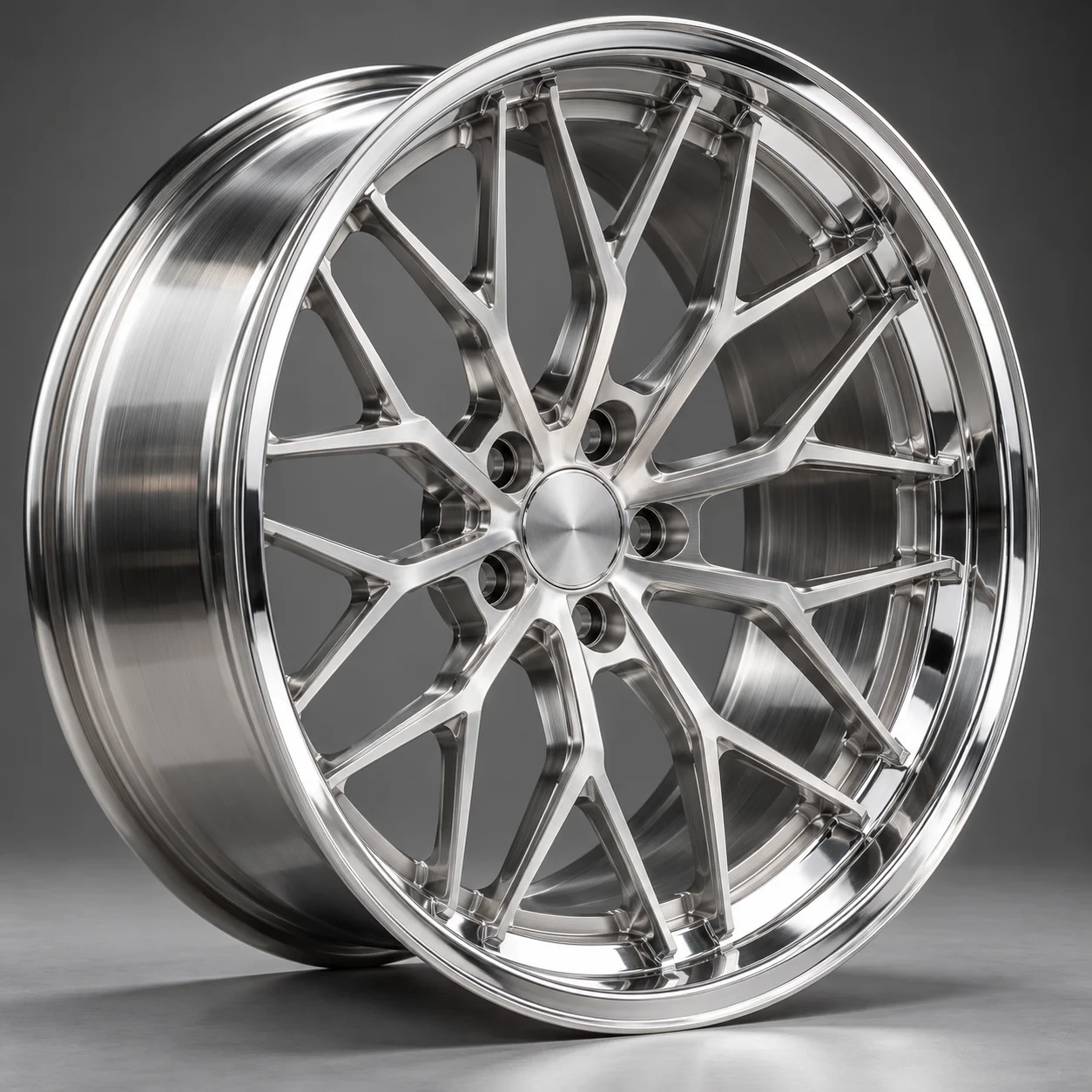
Larger diameters often give designers more radial room around a caliper, but spoke curvature, barrel drop and pad thickness still decide whether a kit clears. Spacers are not a substitute for a wheel that was drawn around the brake package.
Photograph the caliper, identify any big-brake kit, and follow the forged wheel brake clearance guide. Send those inputs with the diameter class you prefer so the drawing review can confirm packaging before forging starts.
Daily, stance or show - how does diameter follow the brief?
Daily and mixed roads
Prioritize tire availability, sidewall height and predictable clearance through full steering lock and suspension travel. An 18-inch class forged monoblock with a mild face is a frequent answer. Keep finishes practical for weather and washing - see finishes.
Stance and filled arches
A 20-inch class package with controlled width and offset can fill the opening without assuming an extreme lip will fit. Concave depth and lip width still compete for the same envelope as the brakes. Match the face to the car - do not paste a muscle deep-lip look onto an aero EV brief, or an aero cover look onto a wide-body muscle build.
Show and photo builds
Diameter becomes part of the composition with paint, ride height and tire lettering. Approve drawings that show face depth and lip treatment clearly before production. Construction choices - monoblock, 2-piece or 2-piece vs 3-piece - should support the look you actually want, not a stock photo.
How does a VEXORA size brief work?
Start with vehicle details, current tire sizes, brake package, suspension notes, preferred diameter class (18 vs 20 and neighbors), style references and intended use. Fitment review and drawings come next; you approve specifications and finish before forging.
Production typically takes about 20 days after approval. Confirm shipping and DDP for your country. Explore the custom process, then request a quote or message WhatsApp via the contact details on that page. Aluminum and magnesium options are outlined on custom forged wheels and forged magnesium wheels.
| Item | Why it matters |
|---|---|
| Preferred diameter class | Sets tire and packaging direction early. |
| Tire plan per axle | Links diameter to sidewall and load needs. |
| Brake package photos | Supports clearance review for the chosen size. |
| Style references | Keeps daily aero, GT concave and muscle lip looks from getting mixed. |
| Use case | Daily, stance or show changes the right trade-offs. |
FAQ
Is 20 inch always better than 18 inch for forged wheels?
No. 20-inch class wheels can look fuller and may ease some big-brake packaging, but they often ride firmer at a similar overall diameter and can limit tire choices. Choose the diameter that matches how you drive and what you want the arch to look like.
Do forged wheels come in both 18 and 20 inch sizes?
Yes. Custom forged programs machine the diameter class you approve in the drawings. VEXORA does not stock a fixed shelf of sizes; each set is made to order from one pair upward.
Will a larger diameter automatically clear my big brake kit?
Not automatically. Diameter helps radial packaging, but spoke layout and barrel shape still need verification. Use the brake clearance guide and send caliper photos with your brief.
Should EVs always stay on 18-inch forged wheels?
Not always. Many EV dailies prefer an 18-inch class for ride and aero-clean faces, while some owners choose larger diameters for a filled look. Load rating, tire efficiency and clearance still lead the brief - see the Model 3 and Model Y build pages.
Can I run staggered widths at either diameter?
Often yes, when the vehicle and tires support it. Stagger changes rotation strategy and must be planned per axle with width and offset - diameter alone does not create a staggered setup.
Ready to choose a diameter class and face? Request a custom forged wheel quote with your vehicle, tire plan and style references - or browse more guides and vehicle builds first.